
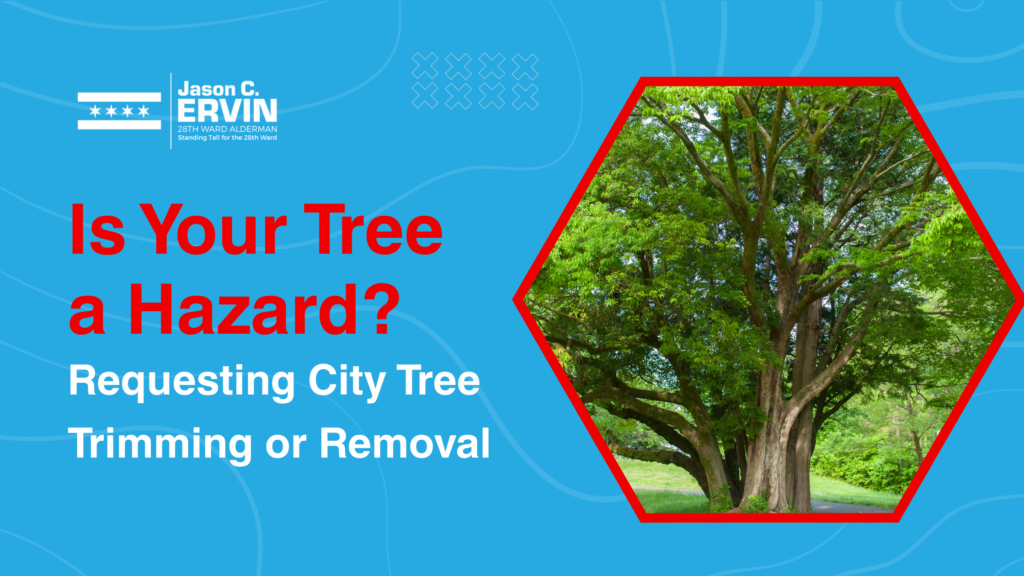
Trees are an essential part of Chicago neighborhoods. They provide shade, improve air quality, and enhance the beauty of residential streets. However, when a tree becomes damaged, diseased, or unstable, it can pose serious risks to people and property. In such cases, understanding how Residential Tree Removal works is crucial for homeowners and residents who want to keep their surroundings safe.
City managed tree care programs exist to help residents address potentially dangerous trees while preserving the health of Chicago’s urban landscape. Knowing when a tree qualifies for trimming or removal and how to report concerns ensures problems are handled responsibly and efficiently.
When a Tree Becomes a Safety Concern
Trees can become hazardous for many reasons. Severe storms, strong winds, aging, disease, or root damage may cause branches to weaken or trunks to lean. Cracked limbs hanging over sidewalks, power lines, or homes are warning signs that should not be ignored.
A compromised tree can fall without warning, creating risks for pedestrians, vehicles, and nearby buildings. Early reporting allows professionals to assess conditions before accidents occur. City authorities rely on residents to notify them when a tree appears unsafe.
Understanding Residential Tree Removal in Chicago
Residential Tree Removal refers to the process of evaluating and removing trees located on public parkways or city property near homes. These trees are typically maintained by the city rather than individual homeowners.
Not every tree qualifies for removal. City arborists assess whether trimming, pruning, or full removal is necessary based on safety, health, and environmental impact. Removal is generally considered a last resort when a tree cannot be safely preserved.
How the City Evaluates Tree Conditions
Before any action is taken, a professional hazardous tree inspection is conducted. Trained arborists examine the tree’s structure, root system, and overall health. They look for signs of decay, disease, instability, or damage caused by weather or construction.
This inspection helps determine whether the tree can be saved through maintenance or must be removed to protect public safety. Residents should understand that this process takes time and is based on professional assessment rather than appearance alone.
Requesting Tree Removal in Your Neighborhood
Residents who believe a tree poses a danger can submit a service request through their local ward office or city service system. Those living in the area may specifically use the Request Tree Removal 28th Ward option to ensure concerns are routed to the appropriate department.
Providing clear details such as the tree’s location, visible damage, and nearby hazards helps speed up the evaluation process. Photographs can also be helpful, though not always required.
Tree Trimming Versus Tree Removal
Not all unsafe trees need to be removed entirely. In many cases, city tree trimming services can resolve safety concerns by removing dead branches, reducing weight, or reshaping growth patterns.
Trimming helps extend the life of a tree while minimizing risks. Removal is only recommended when trimming cannot adequately address structural problems or when the tree’s condition is beyond recovery.
Who Is Responsible for Tree Maintenance
Trees located on public parkways between sidewalks and streets are generally the responsibility of the city. Homeowners are discouraged from trimming or removing these trees themselves, as unauthorized work can damage the tree or result in penalties.
Private trees located entirely on private property may be the homeowner’s responsibility, though permits or professional guidance may still be required. Understanding ownership boundaries helps residents avoid unnecessary costs or violations.
Environmental Importance of Responsible Tree Removal
Chicago’s trees are part of a carefully managed ecosystem. The Chicago urban forestry program focuses on maintaining a healthy tree canopy while balancing safety and sustainability.
When trees are removed, efforts are often made to replace them with new plantings when appropriate. This ensures neighborhoods continue to benefit from shade, stormwater control, and improved air quality.
What Happens After a Tree Is Approved for Removal
Once a tree is approved for removal, scheduling depends on weather, staffing, and priority level. Trees posing immediate danger are addressed more quickly, while less urgent cases may take longer.
The removal process is handled by trained crews using specialized equipment. Stumps may be removed or ground down, depending on location and project scope. Residents are usually notified before work begins.
Common Reasons Tree Requests Are Denied
Not all requests result in removal approval. Healthy trees that do not pose a safety risk may be preserved through trimming or monitoring. Cosmetic concerns or minor leaf debris typically do not qualify for removal.
Understanding these criteria helps set realistic expectations and reinforces the city’s commitment to protecting healthy trees whenever possible.
How Residents Can Help Prevent Tree Hazards
While residents should not perform unauthorized work on city trees, they can help prevent hazards by reporting early signs of trouble. Monitoring changes after storms, construction, or seasonal shifts allows issues to be addressed before they worsen.
Keeping sidewalks clear of debris and avoiding damage to roots during landscaping projects also helps maintain tree stability.
Community Safety and Tree Management
Safe streets depend on proactive maintenance and community cooperation. When residents report concerns responsibly, city departments can respond more effectively and prioritize high risk areas.
Tree safety is not just about removal. It is about maintaining balance between public safety, environmental health, and neighborhood appearance.
Final Thoughts
Trees are one of Chicago’s greatest assets, but they require ongoing care and attention. Understanding how Residential Tree Removal works empowers residents to take action when safety is at risk while respecting the importance of urban forestry.
If you notice a tree that appears unstable or dangerous, reporting it promptly can prevent injuries and property damage. By working together with city services, communities can remain safe, green, and resilient for generations to come.