
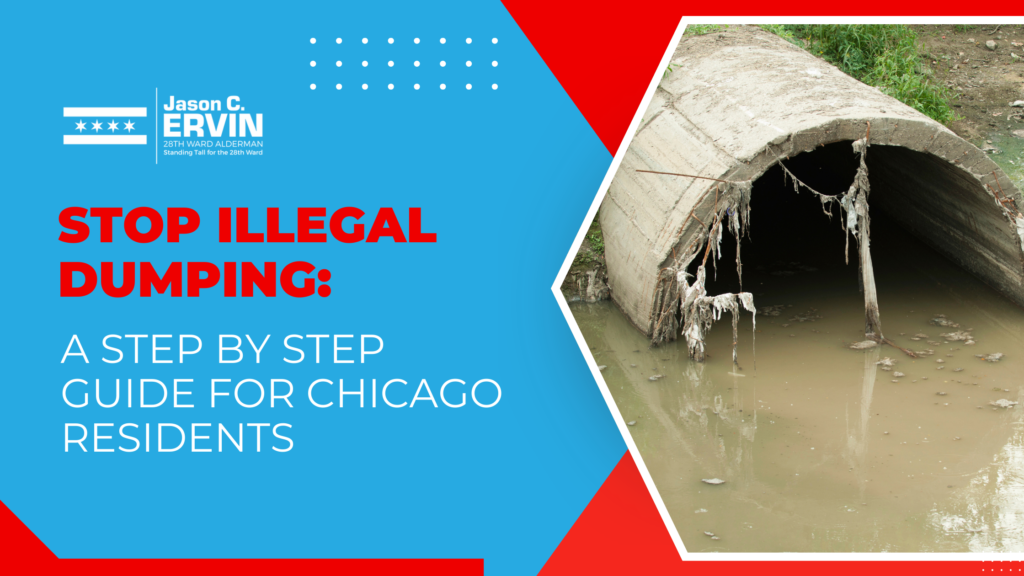
Illegal dumping is a serious problem that affects neighborhoods across Chicago. Abandoned furniture construction debris tries and household waste not only create an eyesore but also pose health and safety risks. Taking action through an illegal dumping report helps keep communities clean, safe and livable.When residents know how to respond quickly and correctly they play an important role in protecting their neighborhood.
This guide explains what illegal dumpling is, why it matters and how Chicago residents can report it effectively.
What is Illegal Dumping
Illegal dumping occurs when waste is discarded on public or private property without permission. Common dumping sites include vacant lots, alleys, sidewalks and roadways. Dumped material may include household trash appliances, renovation debris or hazardous items.
These materials attract pests, create unpleasant odors and can contaminate soil and water. Illegal dumping also increases cleanup costs for the city and diverts resources from other community services.
Why Reporting Illegal Dumping Matters
Finding an Illegal dumping report is one of the most effective ways to stop repeat dumping. Reports allow city crews to respond quickly, remove waste and identify patterns that help prevent future violations.
Unreported dumping can encourage others to leave trash in the same area. Prompt reporting helps discourage repeat offenses and shows that residents care about their surroundings. Clean neighborhoods promote pride, safety and higher quality of life for everyone.
Common Areas Affected by Illegal Dumping
Dumping often occurs in low traffic or poorly lit areas such as alleys, vacant lots, underpasses and behind abandoned buildings. Areas near construction zones or commercial corridors may also be targeted.
Residential neighborhoods are not immune. Dumpers may choose side streets or locations near dumpsters hoping their actions go unnoticed. Community awareness helps identify problem areas and encourages faster response through an illegal dumping report.
What Information to Collect Before Reporting
Before submitting a report it helps to gather key details. Note the exact location of the dumping including nearby addresses, intersections or landmarks. If possible observe the type of materials dumped and estimate the amount.
If you witness dumping in progress avoid confrontation. Your safety is more important than gathering evidence. If you can safely note vehicle descriptions or license plates that information may assist enforcement efforts.
Photos are helpful but not required. Clear location details are usually enough for crews to respond.
How to Report Illegal Dumping in Chicago
Knowing how to report illegal dumping Chicago residents can take action quickly and efficiently. Reports can be submitted through official city service request systems including online portals and phone services.
When filing a report select the appropriate service category and provide accurate location details. Submitting the report creates a service request that is tracked until completion.
Multiple reports from different residents about the same location can help prioritize cleanup.
What Happens After a Report Is Submitted
Once an Illegal dumping report is filed city departments review the request and schedule a cleanup. Response times vary depending on the size of the debris and crew availability.
In some cases inspectors may investigate to identify responsible parties. Repeat dumping locations may receive increased monitoring signage or enforcement actions.
Residents may receive updates about the status of their request depending on the reporting platform used.
The Role of Community in Preventing Illegal Dumping
Preventing illegal dumping requires more than cleanup. Community involvement is essential. Neighbors who report dumping promptly help reduce repeat incidents.
Community groups and block clubs can organize cleanup days, install signage and work with local leaders to improve lighting or surveillance in problem areas.
When residents consistently use the Illegal dumping report system they help city officials allocate resources more effectively.
Health and Environmental Impacts
Illegal dumping is more than an inconvenience. Dumped waste can release harmful chemicals, attract rodents and create breeding grounds for insects.
Children and pets may come into contact with hazardous materials left behind. Sharp objects, broken glass and contaminated items pose serious injury risks.
By reporting dumping residents help protect public health and prevent environmental damage.
Legal Consequences of Illegal Dumping
Illegal dumping is against the law and violators may face fines, citations or other penalties. Enforcement depends on reporting and evidence.
When residents submit reports they support accountability and deterrence. Over time consistent reporting can reduce dumping activity in affected areas.
Education combined with enforcement helps create long term solutions.
How Property Owners Can Protect Their Lots
Property owners can take steps to discourage dumping on their land. Installing fences, maintaining lighting and posting no dumping signs can help.
Regular inspections and quick cleanup reduce the chance that an area becomes a habitual dumping site. Reporting dumping promptly ensures faster response and documentation.
Working with neighbors and community leaders strengthens prevention efforts.
Encouraging a Culture of Cleanliness
Clean neighborhoods do not happen by accident. They result from residents who take pride in their surroundings and act when problems arise.
Using the Illegal dumping report system sends a message that dumping will not be ignored. It reinforces shared responsibility for maintaining public spaces.
Education outreach and community involvement help change behaviors over time.
Final Thoughts
Illegal dumping harms neighborhoods health and the environment but residents have the power to make a difference. Filing an Illegal dumping report is a simple step that leads to real action.
By knowing what to look for, how to report and why it matters Chicago residents can help stop dumping and protect their communities. Every report contributes to cleaner safer streets and a stronger sense of neighborhood pride.When residents speak up through reporting they help keep Chicago clean for everyone.