
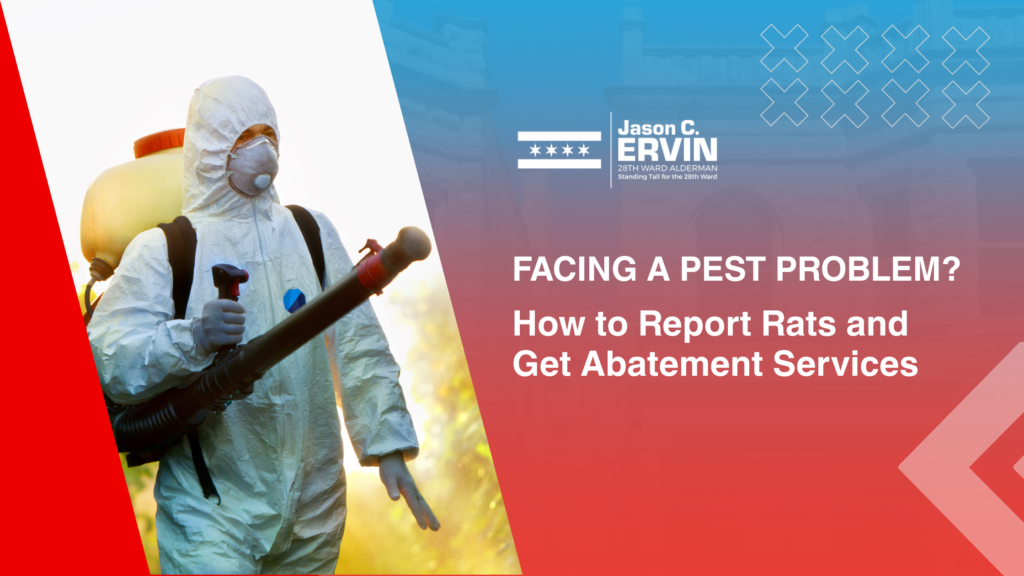
Rats are more than just an unpleasant nuisance. They pose serious health risks, damage property, and can significantly affect the quality of life in neighborhoods. Understanding How to Report Rats and access city abatement services is crucial for maintaining a clean, safe, and healthy environment in Chicago.
Left unchecked, rodent populations can grow quickly, spreading disease, contaminating food, and causing costly property damage. Prompt reporting and coordinated abatement efforts not only remove rats but also prevent infestations from reoccurring. This blog explores the reporting process, prevention strategies, and resources available to Chicago residents.
Why Rat Infestations Are a Serious Concern
Rats carry diseases such as leptospirosis, hantavirus, and salmonella, which can spread to humans and pets. They damage property by chewing on electrical wires, insulation, and structural components, increasing fire risks and repair costs.
Infestations can also attract other pests like cockroaches, creating a compounded public health problem. Left untreated, rat populations can establish burrows, nests, and hidden pathways in alleys, basements, and building foundations.
Recognizing Signs of Rat Activity
Early detection is key to preventing widespread infestations. Common signs include:
- Droppings near trash areas or along walls
- Gnaw marks on wood, wires, or furniture
- Burrows or nesting materials around foundations
- Sightings of rats during the day
- Noises such as scratching or scurrying in walls and ceilings
By reporting these signs promptly, residents can help city authorities act before the infestation grows. Recognizing the signs early also reduces health risks and property damage.
Understanding Rat Abatement Services in Chicago
Chicago offers structured services for rodent control. The city inspects properties, identifies contributing conditions, and implements control measures, such as baiting and trapping. These services focus on both immediate extermination and long-term prevention.
Programs like Rat Abatement Services Chicago coordinate with local authorities to respond efficiently to reports, ensuring neighborhoods remain safe and clean. These programs also provide guidance to residents on maintaining their properties to avoid future infestations.
How to Report Rats
Knowing How to Report Rats is the first step to controlling rodent populations. Residents can submit complaints via:
- Chicago’s 311 phone system
- Online city service portals
- Mobile apps for city services
Reports should include the property address, specific locations of activity, and photos if possible. Accurate and detailed reports help city crews locate infestations quickly, prioritize treatment, and track recurring issues.
What Happens After You File a Report
After submitting a report, city inspectors assess the property and surrounding areas. They identify contributing factors such as overflowing trash, abandoned buildings, or standing water that may attract rats. Treatment may include bait placement, trapping, and sanitation recommendations.
Follow-up inspections ensure that the initial problem has been resolved and that preventive measures are in place. Timely reporting combined with proper response helps neighborhoods stay healthier over time.
Responsibilities of Property Owners and Residents
Rodent control is a shared responsibility. Property owners must maintain clean premises, secure garbage, and repair structural damage that allows rats to enter. Residents can help by:
- Keeping food sealed and stored properly
- Disposing of trash promptly
- Reporting abandoned lots or alleyways with excessive garbage
Engaging in rodent control programs strengthens the overall effectiveness of city abatement efforts. When residents actively participate, infestations are managed more efficiently.
Sanitation and Preventive Measures
Preventing rats requires consistent sanitation practices. Keep garbage tightly sealed, remove standing water, and avoid leaving pet food outside. These small steps significantly reduce rodent attraction.
City-supported pest prevention strategies focus on proactive measures that limit the availability of food, water, and shelter for rats, ensuring long-term neighborhood health.
Community Education and Awareness
Neighborhood cooperation improves the success of abatement programs. Community members should educate themselves and their neighbors about the risks of rodents, preventive measures, and the reporting process.
Educational workshops and community outreach provided by public health initiatives teach residents how to safely and effectively reduce rodent populations. Awareness encourages proactive involvement and collective action.
Enforcement and Inspections
City inspections ensure that property owners comply with sanitation and structural maintenance standards. Violations may lead to fines or mandated corrective actions.
Consistent enforcement encourages accountability and reinforces best practices. It also ensures that residents remain engaged in preventing rat infestations, which benefits the entire community.
Health Benefits of Reporting Rats
Reporting infestations promptly protects public health. Early intervention limits exposure to disease, reduces allergens, and minimizes environmental hazards. Vulnerable populations, including children, seniors, and individuals with weakened immune systems, benefit greatly from early action.
Supporting services such as urban sanitation services collaborate with residents to maintain clean streets, alleys, and communal areas. Together, these efforts reduce the risk of rodent-borne illnesses and improve community well-being.
Long-Term Neighborhood Benefits
Proper rodent control not only addresses immediate infestations but also enhances neighborhood aesthetics and safety. Clean environments discourage littering, illegal dumping, and other public health hazards.
When residents understand how to report rats and actively participate in preventive measures, neighborhoods become safer, more inviting, and more resilient to future pest problems.
When to Follow Up on a Report
If rats continue to appear after treatment, residents should submit follow-up reports. Ongoing communication ensures that persistent infestations receive additional attention and that any underlying causes are addressed.
Continuous engagement helps city officials and residents track trends, evaluate abatement effectiveness, and implement long-term solutions for community safety.
Final Thoughts
Rats are a serious concern but can be managed effectively through reporting, education, and cooperation. Understanding How to Report Rats and utilizing city services, such as Rat Abatement Services Chicago, empowers residents to protect their homes, families, and neighborhoods.
By maintaining sanitation, participating in community programs, and supporting enforcement efforts, residents can significantly reduce rodent populations. Reporting rat activity is not just about pest control it is a step toward healthier, safer, and more livable communities.