
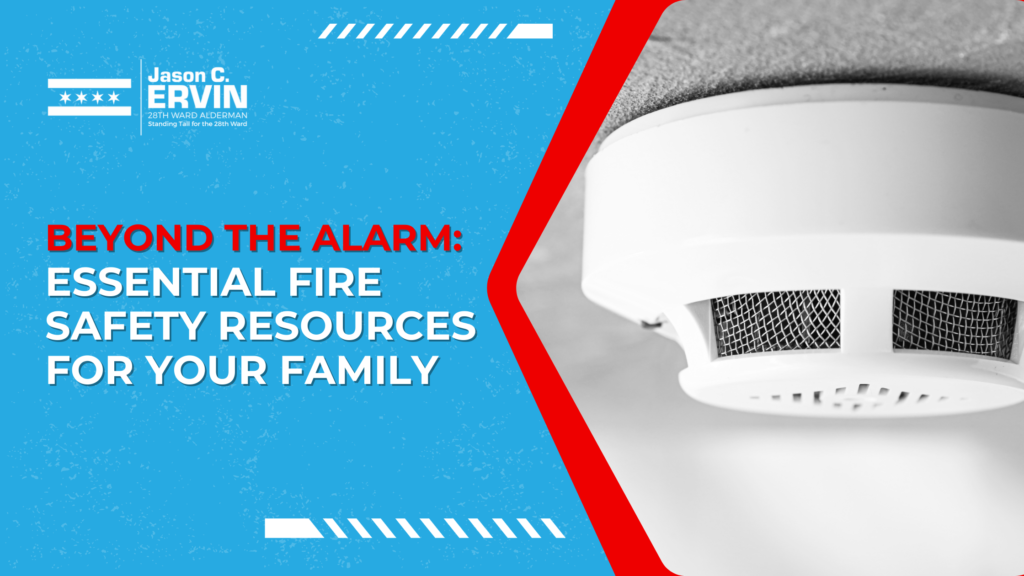
Fire safety is a critical concern for every household. Each year, residential fires cause injuries, property damage, and even fatalities. While smoke detectors are essential, comprehensive fire prevention requires knowledge, planning, and access to Fire Safety Resources. These resources help families protect their homes, respond effectively in emergencies, and reduce risks associated with fire.
Chicago’s 28th Ward provides residents with numerous tools and programs designed to educate and support families. From local workshops to community initiatives, families can access the guidance needed to create safer living environments.
Why Fire Safety Matters
Fires can start unexpectedly due to cooking accidents, electrical malfunctions, heating equipment, or unattended candles. Early detection and preparedness are key to minimizing damage and keeping residents safe. Proper fire safety practices save lives and protect property, making awareness and education essential.
The availability of Fire Safety Resources ensures that families understand how to prevent fires, respond quickly, and access local support services. Safety begins with knowledge, and informed families are better equipped to handle emergencies.
Smoke Detectors and Early Warning Systems
Smoke detectors remain one of the most effective tools for early fire detection. Installing and maintaining working smoke alarms on every level of the home and near sleeping areas significantly increases the chances of safely escaping a fire.
In addition to standard smoke alarms, families may benefit from interconnected alarms, carbon monoxide detectors, and fire extinguishers. Understanding proper installation and maintenance is part of the broader home fire protection guidance that residents can access through local programs.
Fire Safety Resources in the 28th Ward
The 28th Ward offers programs and guidance specifically aimed at helping families protect their homes. Through the Fire Safety Resources 28th Ward Families, residents can access information on smoke detector installation, fire drills, evacuation plans, and local workshops. These programs are designed to provide practical knowledge that families can implement immediately.
Local alderman offices often collaborate with the fire department and community organizations to organize safety events and distribute educational materials, ensuring families have the resources they need to stay prepared.
Developing a Family Fire Safety Plan
A comprehensive fire safety plan is essential for every household. Families should identify multiple escape routes, establish a meeting point outside the home, and designate responsibilities for each member during an emergency. Practicing drills regularly helps everyone respond calmly and efficiently.
Resources also emphasize the importance of teaching children fire safety rules, such as “stop, drop, and roll” and knowing emergency phone numbers. Following structured guidelines from family fire preparedness programs ensures all members are equipped with essential knowledge.
Fire Prevention in Daily Life
Preventing fires involves simple but critical actions. Always monitor cooking, avoid overloading electrical outlets, and keep flammable materials away from heat sources. Using space heaters safely and checking appliances regularly reduces fire risks.
Community workshops often provide hands-on demonstrations and safety tips, giving residents the confidence to implement effective prevention strategies in their homes. These practical lessons are part of the broader residential fire prevention guidance available to local families.
Emergency Response and Resources
Knowing how to respond in case of a fire can save lives. Families should familiarize themselves with local emergency services, fire department contact numbers, and evacuation routes. Quick and informed responses prevent panic and help reduce injuries.
Programs also offer guidance on emergency kits, communication plans, and coordination with neighbors. Accessing fire emergency planning tools equips families to act efficiently during a fire, whether at home or in public spaces.
Supporting Vulnerable Families
Certain households, such as those with young children, elderly residents, or individuals with disabilities, require additional attention when planning for fire safety. Local programs focus on providing resources and tailored guidance to ensure all family members are protected.
The Fire Safety Resources 28th Ward Families initiative prioritizes these households by offering home safety checks, smoke detector installations, and personalized education sessions. These efforts help ensure no family is left unprepared.
Community Engagement and Awareness
Community involvement plays a significant role in overall fire safety. Residents are encouraged to participate in neighborhood workshops, volunteer for safety initiatives, and share knowledge with friends and neighbors. Collective awareness strengthens community resilience and reduces overall fire risks.
Engaging with local programs also provides opportunities to learn about new safety technologies, city ordinances, and support services available to families. This engagement fosters a culture of preparedness that benefits everyone.
Why Regular Maintenance Matters
Even with the best planning, equipment must be maintained to remain effective. Regularly testing smoke detectors, replacing batteries, checking fire extinguishers, and inspecting heating systems are all critical steps in keeping a home safe.
Maintenance ensures that when an emergency occurs, all fire safety tools for homes function as intended. Many local programs offer guidance on maintenance schedules and best practices to help residents stay proactive.
Final Thoughts
Fire safety extends beyond simply having alarms in the home. Comprehensive preparedness involves education, planning, community engagement, and regular maintenance. Families that utilize Fire Safety Resources are better equipped to prevent fires, respond effectively, and protect lives.
Residents of the 28th Ward have access to a range of programs designed to support families in every aspect of fire safety. From workshops and installation assistance to community initiatives, the resources available make it easier for families to take proactive steps.
By staying informed and involved, families can reduce risks, enhance safety, and create a secure environment for everyone in the household. Fire safety is a shared responsibility, and access to these resources empowers residents to take control of their home safety.
Fire Safety FAQs – 28th Ward Families
1. Why is fire safety important?
Prevents injuries, property damage, and saves lives.
2. Key tools for home safety:
Smoke detectors, carbon monoxide alarms, fire extinguishers.
3. Programs in the 28th Ward:
Smoke detector installation, fire drills, workshops, and support for vulnerable families.
4. Family fire plan tips:
- Plan escape routes
- Set an outside meeting spot
- Assign roles to each family member
- Practice fire drills regularly
5. Fire prevention at home:
Don’t leave cooking unattended, avoid overloaded outlets, keep flammables away from heat.
6. Emergency response:
Call 911, follow your plan, use emergency kits, and coordinate with neighbors.