
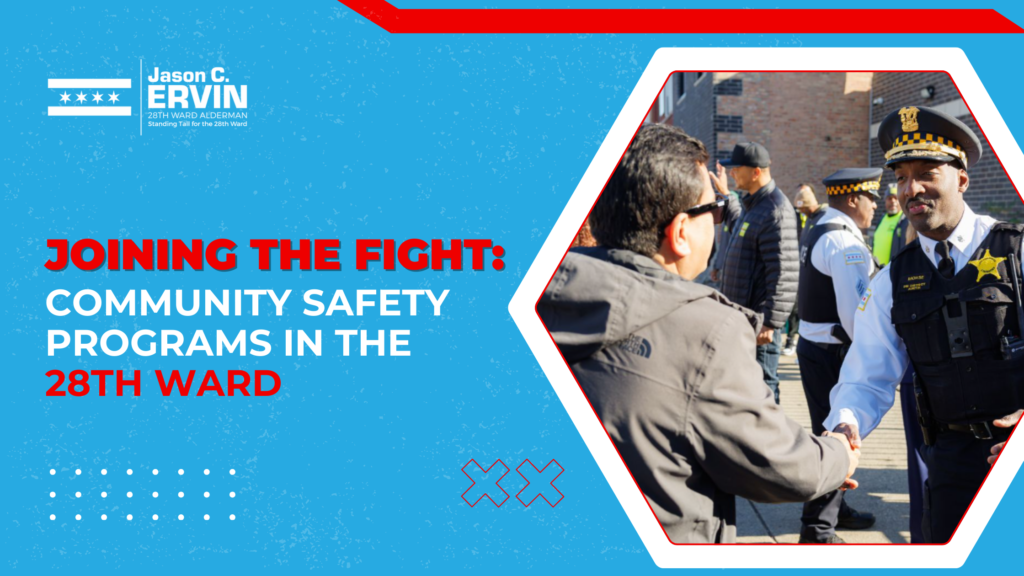
Maintaining a safe and secure neighborhood requires collaboration between residents, law enforcement, and local officials. Community involvement plays a crucial role in reducing crime, preventing accidents, and creating a sense of belonging. In Chicago’s 28th Ward, Community Safety Programs provide residents with the tools, resources, and education they need to actively contribute to the safety of their community.
By participating in these programs, residents not only protect themselves and their families but also help foster a safer environment for everyone. Understanding what these programs offer and how to get involved is essential for anyone looking to make a difference in their neighborhood.
What Are Community Safety Programs?
Community Safety Programs are organized initiatives that bring residents together to address crime prevention, emergency preparedness, and neighborhood safety concerns. These programs often include educational workshops, patrol groups, neighborhood watch initiatives, and collaborative meetings with local law enforcement.
The goal is to empower residents with knowledge, increase communication between community members and authorities, and implement strategies that reduce crime and promote public safety. Programs may also provide resources for fire prevention, disaster preparedness, and youth engagement in safe activities.
Importance of Participation in the 28th Ward
The 28th Ward faces unique challenges due to its size, population density, and diversity. Active resident involvement is a key factor in reducing criminal activity and improving quality of life. Participating in Community Safety Programs helps ensure that residents are informed, vigilant, and connected to available resources.
Being engaged in local safety initiatives also strengthens relationships between neighbors, fostering trust and accountability. Residents who take part in these programs become advocates for their community, helping to identify problems early and contribute to solutions.
How Residents Can Get Involved
There are multiple ways to engage with Community Safety Programs in the 28th Ward. One popular method is attending 28th Ward Community Policing Meetings, where residents can meet local officers, discuss concerns, and learn about ongoing safety initiatives. These meetings are invaluable for gaining insight into crime trends and for receiving advice on how to protect your home and neighborhood.
Residents can also join neighborhood watch groups, participate in volunteer patrols, and take part in educational workshops focused on crime prevention and emergency preparedness. Even simple actions, such as reporting suspicious activity or staying informed about local alerts, contribute significantly to community safety.
Strengthening Neighborhood Connections
Safety is not just about preventing crime; it is also about building strong, supportive communities. Community engagement in public safety allows residents to establish connections, share information, and support each other in times of need.
Programs often include activities designed to foster trust among neighbors, such as block parties, safety fairs, and collaborative projects with local schools. These events make it easier for residents to communicate with each other and develop networks that enhance security across the community.
Crime Prevention Strategies
A core component of Community Safety Programs is teaching residents effective crime prevention strategies. This includes practical steps such as improving home security, using proper lighting, installing security cameras, and maintaining clear visibility around property.
Programs may also educate residents about common scams, identity theft, and online safety, helping individuals and families protect themselves in both physical and digital environments. Knowledge is a powerful tool, and informed residents are better prepared to respond to potential threats.
Role of Local Authorities and Police
Local authorities and police officers play an essential role in supporting Community Safety Programs. They provide guidance, resources, and expertise to help residents implement effective safety measures. Regular patrols, rapid response to incidents, and active participation in community meetings ensure that residents feel supported and heard.
Officers often collaborate with alderman offices and other city departments to address neighborhood concerns, coordinate safety campaigns, and provide updates about trends and ongoing investigations. This collaboration creates a transparent and responsive environment where residents feel empowered to contribute.
Youth Engagement and Education
Safety programs are not limited to adults. Engaging young residents is a crucial element of building long-term community security. Educational programs teach children and teenagers about responsible behavior, conflict resolution, and emergency preparedness.
Youth participation in community safety awareness initiatives can reduce the likelihood of juvenile crime and promote positive involvement in neighborhood activities. By equipping young residents with knowledge and guidance, programs ensure the next generation is prepared to maintain a safe environment.
Emergency Preparedness and Response
Community Safety Programs also focus on emergency preparedness. Residents learn how to respond to natural disasters, fires, medical emergencies, and other unforeseen events. Training sessions cover first aid, evacuation procedures, and communication strategies during crises.
Prepared neighborhoods are resilient neighborhoods. By practicing drills, creating family emergency plans, and staying informed about alerts, residents can minimize risks and respond effectively when emergencies occur.
Benefits of Joining Community Safety Programs
Participation in these programs offers numerous benefits. Residents gain knowledge, access to resources, and stronger connections within their community. Families feel safer knowing their homes and neighborhoods are monitored and supported. Local authorities benefit from increased communication, which helps them deploy resources more effectively.
Engaged communities also experience higher trust among neighbors, reduced crime rates, and greater collaboration in addressing shared challenges. Ultimately, everyone in the 28th Ward benefits when residents actively participate in safety initiatives.
How to Start Today
Getting involved in Community Safety Programs is easier than many think. Start by contacting your local alderman office to inquire about upcoming events and workshops. Attend 28th Ward Community Policing Meetings to meet officers and learn how you can contribute to neighborhood safety.
Residents can also join online community groups, subscribe to local safety alerts, or volunteer for neighborhood watch programs. Every action, no matter how small, contributes to a stronger, safer 28th Ward.
Final Thoughts
Safety is a collective effort. By joining Community Safety Programs, residents take an active role in protecting their families, neighbors, and neighborhoods. From attending meetings and participating in patrols to educating youth and preparing for emergencies, every contribution matters.
The 28th Ward is stronger when its residents are engaged, informed, and proactive. Take advantage of available programs, attend community events, and work together with local authorities to ensure a safe and vibrant neighborhood for all.
FAQs: Community Safety Programs in the 28th Ward
1. What are Community Safety Programs in the 28th Ward?
Community Safety Programs are local initiatives that help residents prevent crime, improve emergency preparedness, and promote neighborhood safety through education, meetings, and community collaboration.
2. How can I participate in Community Safety Programs?
Residents can attend community policing meetings, join neighborhood watch groups, volunteer in safety initiatives, or contact their local alderman office for information about upcoming events and programs.
3. Do Community Safety Programs help reduce crime?
Yes. These programs improve communication between residents and law enforcement, encourage reporting of suspicious activity, and teach crime prevention strategies that help reduce crime rates.
4. Are Community Safety Programs open to all residents?
Yes. All residents, including families, seniors, and young adults, are encouraged to participate and contribute to creating a safer neighborhood.
5. What types of activities are included in these programs?
Activities may include safety workshops, community meetings, neighborhood watch programs, emergency preparedness training, and youth engagement initiatives.
6. Why is community involvement important for neighborhood safety?
Community involvement strengthens relationships, increases awareness, and helps identify safety concerns early, creating a safer and more connected neighborhood for everyone.