
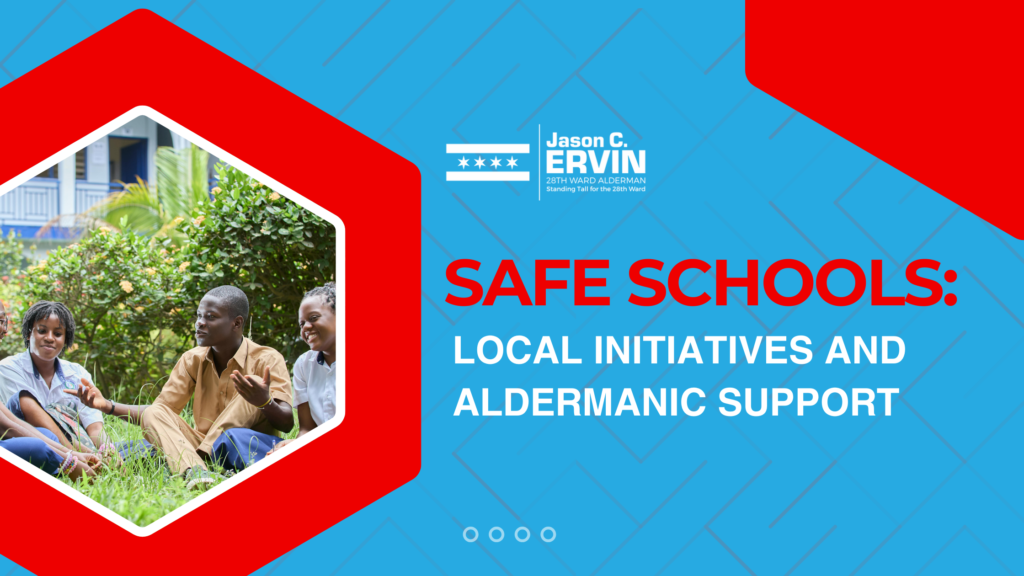
Schools should be places where students feel protected, supported, and free to focus on learning. Safety in and around schools is a top priority for families, educators, and communities alike. School Safety Initiatives play a vital role in creating secure learning environments and ensuring students can thrive without fear.
In urban neighborhoods, safety requires coordination between schools, families, local officials, and community organizations. Through collaboration and proactive planning, schools can address risks, prevent incidents, and build trust. Local leadership and community engagement are key factors in making these efforts successful.
Understanding School Safety Initiatives
School safety initiatives include a wide range of programs, policies, and practices designed to protect students, staff, and school property. These initiatives focus on prevention, preparedness, and response to potential threats.
Effective safety initiatives go beyond physical security. They also address emotional well being, bullying prevention, and emergency readiness. When schools invest in comprehensive safety planning, they create environments where students feel confident and supported.
Why School Safety Matters for Communities
School safety is not only a concern for students and parents. It affects entire neighborhoods. Safe schools contribute to stable communities, improved academic outcomes, and stronger family trust.
When families feel confident about school safety, attendance improves and students are better able to focus on learning. Strong School Safety Initiatives also reduce disruptions and foster positive relationships between schools and surrounding communities.
Key Components of Effective School Safety
Successful school safety programs are built on multiple layers of protection. These include clear safety policies, trained staff, secure facilities, and effective communication systems.
Schools that implement student safety programs often see improved awareness among students and staff. These programs teach students how to recognize unsafe situations, report concerns, and respond appropriately during emergencies.
Creating Safe School Environments
Physical safety measures are an important part of school protection. Secure entrances, proper lighting, controlled access, and well marked school zones all contribute to safer campuses.
Beyond physical measures, fostering respect and inclusion helps create safe school environments where students feel valued and supported. Positive school culture reduces conflict and encourages students to look out for one another.
The Role of Aldermanic Support
Local leadership plays a critical role in advancing school safety efforts. Alderman offices often act as connectors between schools, city departments, and community organizations.
Through Aldermanic Support for School Safety 28th Ward, schools can access resources, advocacy, and coordination needed to address safety concerns. This support helps schools secure funding, improve infrastructure, and implement effective safety strategies.
Collaboration Between Schools and Public Agencies
School safety requires cooperation between multiple stakeholders. Police departments, public health agencies, and emergency responders work with schools to develop response plans and conduct training.
Strong school security partnerships improve communication and ensure everyone understands their role during emergencies. These partnerships also support prevention by addressing concerns before they escalate.
Community Involvement in School Safety
Communities play a vital role in protecting schools. Parents, residents, and local organizations can help monitor school areas, report concerns, and support safety programs.
Active community involvement in education safety strengthens trust and accountability. When communities take shared responsibility, schools become safer and more welcoming for everyone.
Addressing Safety Beyond the School Building
School safety extends beyond classroom walls. Routes to and from school, playgrounds, and nearby streets must also be safe for students.
Crossing guards, traffic calming measures, and neighborhood watch programs help reduce risks outside school grounds. Coordinated planning ensures students are protected throughout their daily routines.
Preparing for Emergencies
Preparedness is a critical element of school safety. Schools conduct drills, develop emergency plans, and train staff to respond effectively during incidents.
Preparedness efforts help reduce panic and confusion during emergencies. When students and staff know what to do, response times improve and risks are minimized.
Supporting Student Well Being
Emotional and mental well being are essential components of school safety. Counseling services, peer support programs, and conflict resolution initiatives help address issues before they escalate.
Supporting student well being creates a positive school climate where students feel comfortable reporting concerns and seeking help. This proactive approach strengthens overall safety.
Measuring the Impact of Safety Initiatives
Regular evaluation helps ensure safety programs remain effective. Schools and local leaders review incident data, gather feedback, and adjust strategies as needed.
Ongoing improvement ensures School Safety Initiatives continue to meet the evolving needs of students and communities.
Building a Safer Future for Students
Investing in school safety is an investment in the future. Safe schools support academic success, emotional growth, and community stability.
When schools, families, and local leaders work together, they create environments where students can reach their full potential without fear.
Final Thoughts
School safety is a shared responsibility that requires commitment, collaboration, and continuous effort. School Safety Initiatives provide the foundation for secure learning environments and stronger communities.
Through local initiatives, community involvement, and aldermanic support, schools can address challenges and build lasting safety systems. By prioritizing protection and well being, communities ensure every student has the opportunity to learn, grow, and succeed in a safe environment.
School Safety FAQs
1. What are School Safety Initiatives?
Programs and policies designed to protect students, staff, and school property while promoting a safe learning environment.
2. Why is school safety important for communities?
Safe schools improve student learning, strengthen families, and contribute to overall neighborhood stability.
3. What are key components of effective school safety?
Trained staff, secure facilities, clear policies, emergency preparedness, and student awareness programs.
4. How does aldermanic support help school safety?
Aldermen connect schools with resources, funding, city departments, and community partnerships for safety initiatives.
5. How can communities get involved in school safety?
Residents can monitor areas, report concerns, support programs, and participate in neighborhood safety efforts.
6. How do schools prepare for emergencies?
Through drills, emergency plans, staff training, and clear communication protocols to ensure quick, effective responses.