
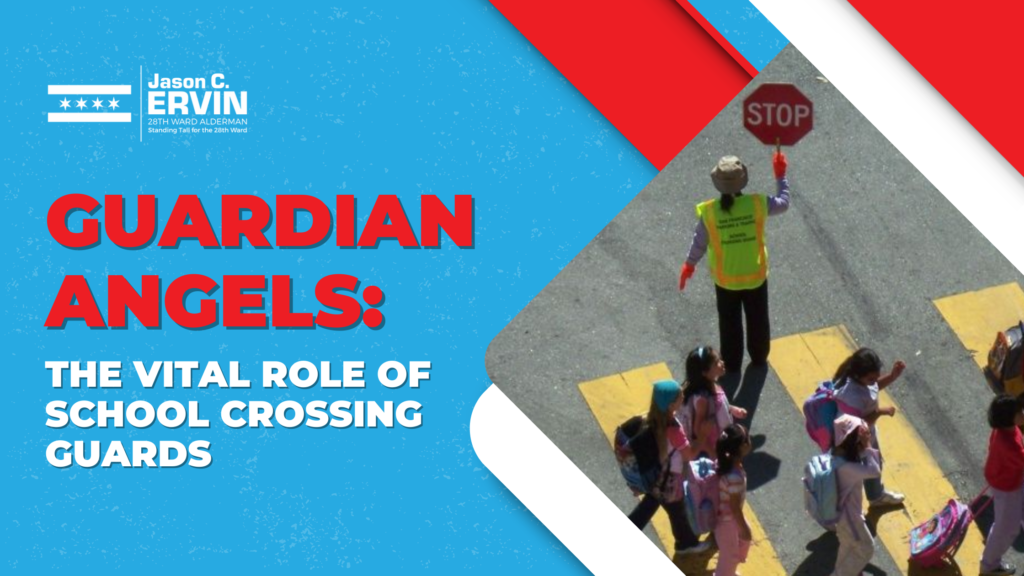
Every school day, thousands of children navigate busy streets to get to and from school. Ensuring their safety is a community priority, and School Crossing Guard Safety plays a vital role in protecting young pedestrians. Crossing guards act as vigilant guardians, guiding children across intersections, educating students about traffic rules, and providing peace of mind to parents, teachers, and the broader community.
In the 28th Ward, school crossing guards are more than traffic controllers; they are essential contributors to neighborhood safety, child development, and community cohesion. Understanding their responsibilities, training, and impact highlights why these roles are indispensable for the well-being of our children.
The Importance of School Crossing Guards
Children are among the most vulnerable pedestrians. Busy streets, distracted drivers, and complex intersections can put young students at risk. Crossing guards mitigate these dangers by providing a visible, authoritative presence, ensuring that children cross streets in an organized, safe manner.
Beyond immediate safety, crossing guards educate students on lifelong habits such as looking both ways, obeying signals, and remaining alert while crossing. These lessons equip children with the knowledge they need to navigate streets safely throughout their lives.
Who Are School Crossing Guards
School crossing guards are trained professionals, often members of the local community, responsible for managing pedestrian safety near schools. They collaborate with law enforcement, school administrators, and parents to maintain order during peak travel times.
The Role of School Crossing Guards 28th Ward includes monitoring traffic, assisting children with disabilities, and addressing unsafe driving behaviors. Their presence reduces accidents, enforces rules, and promotes community awareness about road safety.
Responsibilities and Duties
Crossing guards perform a wide variety of tasks beyond simply holding up stop signs. Their responsibilities include:
- Directing children safely across intersections
- Observing traffic for potential hazards or violations
- Educating children about pedestrian safety and street rules
- Communicating with school staff and law enforcement regarding unsafe conditions
These duties require focus, patience, and strong interpersonal skills. Crossing guards are often the first line of defense in preventing accidents involving children.
Training and Qualifications
Proper school pedestrian safety training ensures that crossing guards are prepared to handle challenging traffic situations and emergencies. Training covers traffic control techniques, emergency response, communication skills, and strategies for managing groups of children safely.
Guards also receive instruction on assisting children with disabilities, handling inclement weather, and managing interactions with drivers who fail to comply with traffic laws. Continuous training maintains high standards of safety, professionalism, and public trust.
Impact on the Community
The presence of trained crossing guards benefits more than just students. They help reduce accidents, enforce traffic rules, and encourage drivers to be more cautious near schools. Neighborhoods with active crossing guards often experience improved traffic compliance and safer streets for all pedestrians.
Programs highlighting school zone safety initiatives often underscore the role of crossing guards as community leaders who advocate for child safety and foster stronger relationships between schools, families, and local residents.
Working with Schools and Parents
Collaboration maximizes the effectiveness of crossing guards. Guards work closely with school administrators to identify high-risk areas, adjust crossing points, and implement safety improvements. Communication with parents ensures that children understand proper crossing procedures and consistently follow safety rules.
Community involvement through child pedestrian education programs reinforces lessons learned at crosswalks and encourages children to practice safe habits outside school hours.
Challenges and Considerations
Crossing guards face challenges such as heavy traffic, distracted drivers, and adverse weather conditions. Maintaining vigilance and authority in these situations requires skill, focus, and community support.
Efforts to improve urban pedestrian safety such as better signage, traffic calming measures, and public awareness campaigns enhance the effectiveness of crossing guards and reduce the likelihood of accidents.
Benefits of Crossing Guard Programs
The benefits of crossing guard programs extend beyond immediate safety. They foster a culture of responsibility, respect, and awareness in neighborhoods. Children learn to respect traffic rules, drivers become more cautious, and parents gain peace of mind.
Research shows that consistent pedestrian safety programs for schools lead to lower accident rates and increased awareness among both children and adults, reinforcing the importance of crossing guards in everyday community life.
Encouraging Community Support
Community engagement strengthens crossing guard programs. Residents, volunteers, local businesses, and neighborhood organizations can support initiatives by providing resources, advocating for safety improvements, and promoting awareness campaigns.
Supporting crossing guards also means teaching children to respect their authority, encouraging safe driving, and reinforcing the importance of pedestrian safety as a shared community responsibility.
The Role of Crossing Guards in Emergencies
In addition to routine duties, crossing guards play a key role during emergencies. Whether it’s a traffic accident near a school, sudden road closures, or severe weather, crossing guards help guide children safely, communicate with authorities, and maintain calm during potentially chaotic situations.
Building Lifelong Safety Habits
The lessons children learn from crossing guards extend far beyond the school day. Exposure to consistent safety guidance teaches young pedestrians to make smart decisions on the road, respect traffic laws, and be aware of their surroundings. These habits carry into adulthood, creating a culture of safety and responsibility in the broader community.
Final Thoughts
School Crossing Guard Safety is a critical component of community well-being. Crossing guards serve as vigilant protectors, educators, and role models for children navigating busy streets. Their work in the 28th Ward and across Chicago ensures that students can travel to school safely, learn valuable pedestrian safety skills, and develop confidence as responsible road users.
By supporting crossing guard programs, communities foster safer streets, more informed students, and stronger connections between schools, families, and local residents. Every stop, wave, and instruction given by a crossing guard protects lives and builds a culture of safety that benefits everyone.
FAQs – School Crossing Guard Safety
1. What do school crossing guards do?
They guide children safely across streets, monitor traffic, and educate students about pedestrian safety.
2. Why are crossing guards important?
They reduce accidents, enforce traffic rules near schools, and give parents and communities peace of mind.
3. When are crossing guards on duty?
During school arrival and dismissal times, when streets are busiest.
4. How are crossing guards trained?
They receive training in traffic control, emergency response, communication, and assisting children with special needs.
5. How can communities support crossing guards?
By respecting their signals, educating children on safety, advocating for resources, and promoting awareness campaigns.
6. Do crossing guards help during emergencies?
Yes, they assist during accidents, road closures, or severe weather to keep children safe and maintain order.