
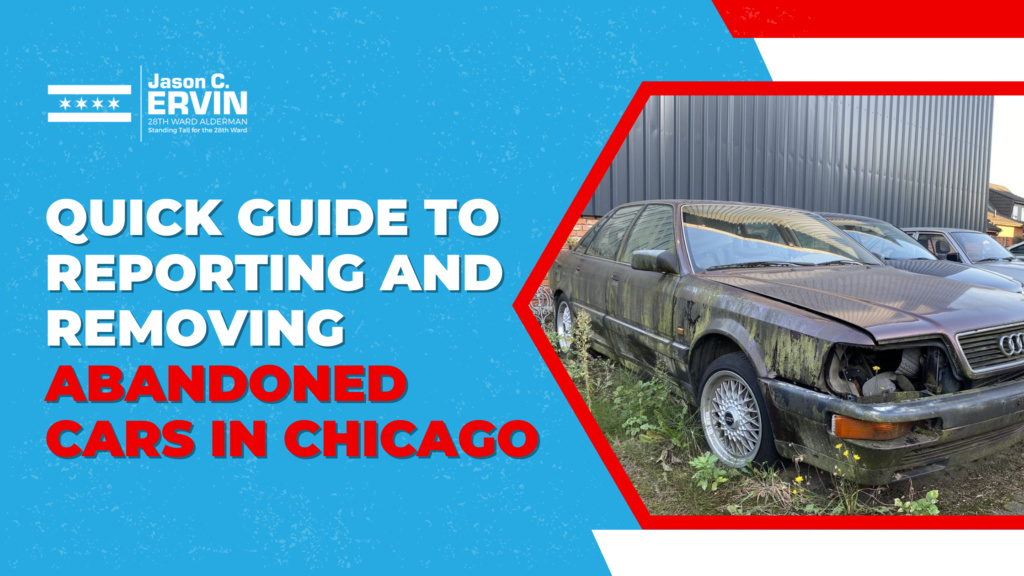
Abandoned vehicles are more than just an eyesore on city streets. They pose serious safety hazards, take up valuable parking spaces, and diminish the overall appeal of neighborhoods. Abandoned Car Removal is a critical service for maintaining safe, clean, and organized streets in Chicago. Residents who understand how to report these vehicles and follow the proper procedures play an essential role in protecting their communities and enhancing public safety. Abandoned cars are often associated with increased crime, reduced property values, and a sense of neglect, which can impact the well-being and morale of the entire community. Timely removal ensures that streets remain functional, safe, and visually appealing for everyone.
What Qualifies as an Abandoned Vehicle
An abandoned car is typically any vehicle left on public property or within a public right-of-way for an extended period without registration or signs of use. These vehicles may be inoperable, damaged, or neglected, creating risks for pedestrians, drivers, and cyclists. Abandoned cars can also attract vandalism or criminal activity, obstruct emergency access, and reduce available parking for residents and visitors. Recognizing the signs of an abandoned vehicle is critical. Look for expired or missing license plates, flat tires, significant body damage, or accumulation of debris and leaves around the car. Vehicles that remain in the same location for multiple days or weeks are likely candidates for removal.
Reporting Abandoned Cars in West Chicago
For residents in West Chicago, the Report Abandoned Car West Chicago program provides a straightforward and reliable process for reporting abandoned vehicles. This initiative ensures that abandoned cars are addressed efficiently by city departments, reducing hazards and improving neighborhood safety. Residents can report vehicles directly to their local alderman offices, community liaisons, or through city services. By engaging with this program, residents help maintain the order and cleanliness of their neighborhoods while ensuring streets are safe for pedestrians, cyclists, and drivers alike. Being proactive in reporting abandoned cars also fosters a sense of civic responsibility and strengthens the community’s commitment to public safety.
How to Report an Abandoned Vehicle
Reporting abandoned cars in Chicago requires providing accurate and detailed information. Residents should include the vehicle’s make, model, color, and license plate number when submitting a report. Using the Chicago abandoned vehicle reporting system allows complaints to be formally logged, tracked, and prioritized until the vehicle is removed. Once a report is submitted, city inspectors assess the vehicle to confirm it meets abandonment criteria. Registered owners are usually notified and given time to remove the vehicle voluntarily. If the vehicle remains, the city arranges for towing and storage at a designated facility. The system ensures transparency and accountability in handling abandoned cars while protecting the rights of vehicle owners.
Legal Considerations for Vehicle Removal
Understanding the legal framework surrounding abandoned vehicle removal is important for both residents and property owners. Chicago abandoned car ordinances define the conditions under which a vehicle can be removed and the procedures the city must follow to notify owners. The ordinances also specify timelines, inspection requirements, and owner rights, ensuring fairness and legal compliance throughout the removal process. Being informed about these laws helps residents make accurate reports and prevents unnecessary disputes while safeguarding public safety. Awareness of the legal process also ensures that vehicle owners understand their responsibilities and the consequences of leaving a vehicle abandoned.
Community Benefits of Removing Abandoned Cars
Removing abandoned vehicles provides numerous benefits to neighborhoods. Streets become safer and more accessible for pedestrians, drivers, and cyclists. Parking availability increases, and the risk of vandalism, criminal activity, or illegal dumping decreases significantly. Clean and organized streets also enhance property values and contribute to a more inviting and attractive environment for residents and visitors. Efforts to improve neighborhood street safety often emphasize abandoned car removal as a key component of public safety initiatives. Communities that actively engage in reporting abandoned vehicles promote civic pride, stronger social cohesion, and a higher quality of life for all residents.
Community Engagement and Awareness
Residents can play an active role in maintaining street safety by staying informed and engaged. Local block associations and community vehicle awareness programs provide opportunities for neighbors to communicate about vehicles left on streets for long periods. These programs also educate residents about proper vehicle storage, registration, and reporting processes. Active community participation ensures that abandoned vehicles are reported promptly, preventing safety hazards and maintaining orderly streets. Neighborhood engagement fosters collaboration, encourages responsible behavior, and creates a culture where residents collectively protect their streets and public spaces.
Preventing Vehicles from Being Classified as Abandoned
Property owners can take simple steps to prevent their vehicles from being mistakenly classified as abandoned. Keeping registration and insurance up to date, maintaining operable vehicles, and moving them periodically to demonstrate active use are effective ways to avoid issues. Communication between neighbors about parked vehicles can also prevent misunderstandings. By taking preventive measures, residents help maintain safe, organized streets and support broader community efforts to reduce abandoned cars. Proactive behavior reinforces a culture of accountability and responsibility in neighborhoods.
Support from Alderman Offices
Local alderman offices are an essential resource for residents dealing with abandoned vehicles. They can provide guidance on reporting procedures, offer updates on complaints, and assist in resolving ownership disputes. Aldermen ensure that abandoned vehicle issues are addressed efficiently and fairly, benefiting the entire community. Collaboration between residents and alderman offices strengthens enforcement efforts, reduces delays in removal, and helps maintain clean and safe streets.
The Importance of Timely Action
Timely reporting is critical because the longer an abandoned vehicle remains on a street, the more safety risks it poses. Prompt action protects pedestrians, children walking to school, and drivers while preserving the neighborhood’s appearance and overall safety. Residents who take initiative in reporting abandoned vehicles directly contribute to the well-being of their community. Early intervention prevents hazards from escalating and reinforces a proactive approach to urban safety.
Conclusion
Abandoned Car Removal is essential for preserving safety, accessibility, and community pride in Chicago neighborhoods. By identifying abandoned vehicles, using the Report Abandoned Car West Chicago program, and following city procedures, residents ensure that their neighborhoods remain safe, clean, and welcoming. Each report makes a meaningful difference in keeping streets free from hazards, supporting law enforcement, and fostering stronger community engagement. Streets that are maintained and free from abandoned vehicles are safer, more appealing, and enhance the quality of life for all residents. Staying vigilant and proactive in reporting abandoned cars empowers residents to protect their community while encouraging a culture of civic responsibility.
FAQs – Abandoned Car Reporting & Removal
1. What qualifies as an abandoned vehicle?
A vehicle left on public streets for an extended period, often with expired registration, flat tires, or visible damage, is considered abandoned.
2. How can I report an abandoned car in Chicago?
Residents can report vehicles through the city’s abandoned vehicle reporting system, their local alderman office, or community service programs.
3. What information is needed to report a vehicle?
Include the car’s make, model, color, license plate number, and exact location for accurate reporting.
4. What happens after a report is submitted?
City inspectors assess the vehicle, notify the owner, and if not removed, arrange towing and storage following legal procedures.
5. How does removing abandoned cars benefit the community?
It improves safety, increases parking availability, reduces crime and vandalism, and enhances neighborhood appearance.
6. How can residents prevent their vehicles from being classified as abandoned?
Keep registration and insurance current, maintain operable vehicles, move them periodically, and communicate with neighbors about long-term parking.